- Home
- About Us
- Functional Medicine Programs
- Specializing In
- Diabetes & Pre-diabetes (Type 1 & Type 2)
- Hypertension (High Blood Pressure)
- Lipid & Cholesterol Problems
- Obesity & Weight Management
- Hypothyroid and Thyroid disorders
- Fertility disorders
- PCOS/PCOD (Polycystic Ovary Syndrome)
- Gut health, Acidity and Liver disorders
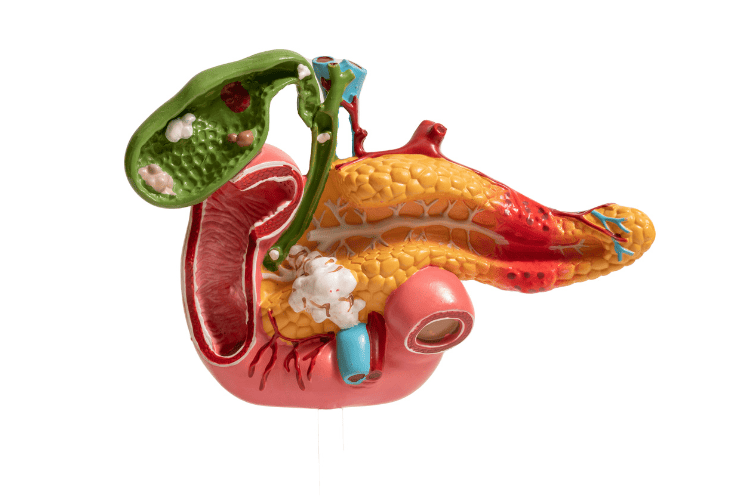
- Gall stones and Pancreatitis
- Constipation, Irritable Bowel, Chronic Diarrhea
- Migraine, Chronic headaches
- Post stroke rehabilitation
- Autism, Hyperactive children, Attention Deficit
- Mood swings, Alzheimers, Dementia
- Sleep disorders (Insomnia), Sleep Apnea
- Asthma, Allergy, Sinusitis, Breathing problems
- Arthritis, Rheumatoid Arthritis
- Auto immune conditions, Low Immunity
- Kids
- Metabolic and Endocrine
- Diabetes & Pre-diabetes (All Types)
- Thyroid Disorders (Hypo/Hyperthyroidism)
- Autoimmune/Hashimoto's Thyroiditis
- PCOS/PCOD & Hormonal Imbalances
- Fertility issues
- Metabolic Syndrome
- Insulin Resistance
- Adrenal Fatigue
- Hormone Imbalance - Male/Female
- Testosterone imbalance
- Estrogen & Progesterone Imbalance
- Cardiovascular Health
- Gastrointestinal Issues
- Women's Health
- Musculoskeletal
- Men's Health
- Respiratory & Allergic Conditions
- Musculoskeletal Health
- Skin Condition
- Chronic & Complex Conditions
- Low Testosterone
- Erectile Dysfunction
- Prostate Health
- Male Fertility
- Andropause Management
- Asthma
- Chronic Sinusitis
- Environmental Allergies
- Food Allergies & Sensitivities
- Arthritis (All Types)
- Fibromyalgia
- Chronic Pain
- Osteoporosis
- Restless Leg Syndrome
- Joint Inflammation
- Acne & Hormonal Acne
- Eczema & Dermatitis
- Psoriasis
- Rosacea
- Premature Aging
- Hair Loss
- Chronic Skin Inflammation
- Chronic Fatigue Syndrome
- Chronic Inflammation
- Environmental Toxicity
- Heavy Metal Toxicity
- Chronic Infections
- Candida Overgrowth
- Cancer Prevention & Support
- Kidney Issues (Auto-immune related)
- Specializing In
- Fitness Equipment
- FAQ's
- Blog
- Reach Us